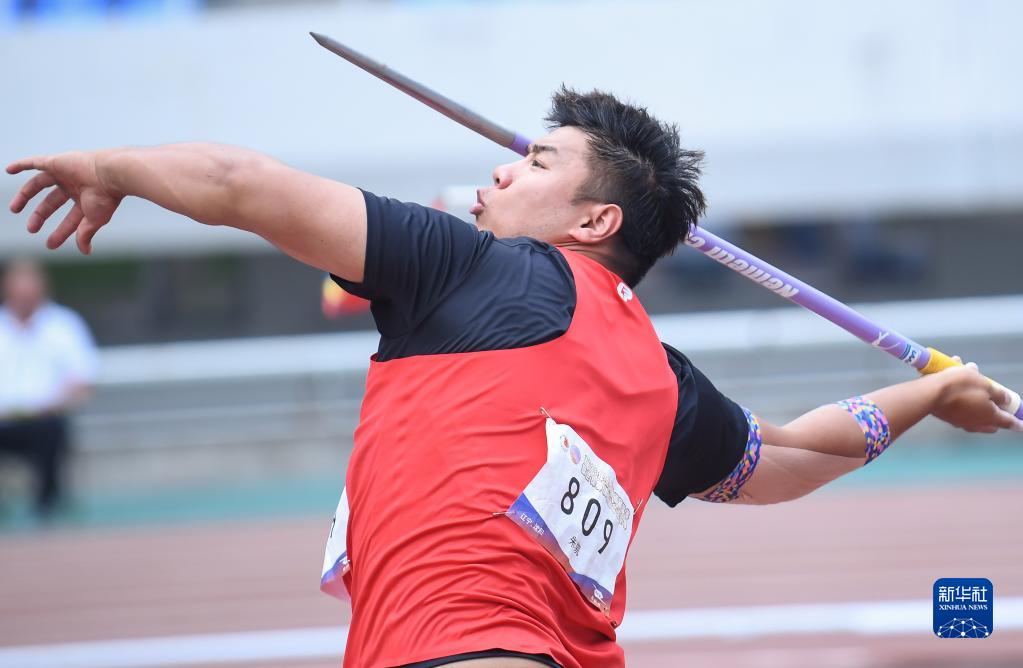
Javelin Throw
Introduction
The javelin throw is a track and field athletics event in which the athlete throws a spear-like implement called a javelin. It is one of the oldest and most iconic events in the history of athletics, with its origins tracing back to ancient Greece, where it was part of the Olympic Games. The event requires a combination of strength, speed, and technique, making it a challenging and fascinating spectacle in modern athletics.
Historical Background
The origins of the javelin throw date back to ancient times, where it was used as a hunting tool and a weapon of war. Its athletic form began in ancient Greece, as part of the pentathlon in the Olympic Games.
In the modern Olympic Games, the javelin throw for men was introduced in 1908, and for women, it became an official event in 1932. The evolution of the sport has seen changes in technique and equipment, leading to new records and increasing competitiveness.
Technique and Equipment
The javelin used in competition is a spear-like object made of metal or composite materials. Men's javelins weigh approximately 800 grams, while women's javelins weigh around 600 grams. The length of the javelin varies from 2.6 to 2.7 meters for men and 2.2 to 2.3 meters for women.
The technique of javelin throwing involves a running start followed by a series of precise movements to maximize distance. The thrower holds the javelin at its grip and sprints down a runway. As the athlete approaches the foul line, they transition into a throwing position by turning sideways and using a combination of body rotation, arm extension, and leg drive to release the javelin. The angle and velocity of release are critical for achieving optimal distance.
Rules and Regulations
The International Association of Athletics Federations (IAAF), known as World Athletics (WATH) now, sets the rules for javelin throw competitions. Some key rules include:
-
The javelin must land tip first within a marked sector.
-
The athlete must not cross the foul line at the end of the runway.
-
Each athlete is given a set number of attempts, usually three to six throws, with the longest legal throw being counted for the final score.
-
The throw is measured from the point where the tip of the javelin first makes contact with the ground.
Training and Preparation
Javelin throwers undergo rigorous training regimens to enhance their strength, speed, and technical skills. Training typically includes:
Strength Training: Building upper and lower body strength through weight lifting and resistance exercises.
Speed and Agility Drills: Enhancing sprinting ability and footwork on the runway.
Technical Drills: Practicing throwing techniques, focusing on grip, posture, and release mechanics.
Flexibility and Recovery: Maintaining flexibility through stretching routines and ensuring proper recovery through rest and nutrition.
Conclusion
The javelin throw is a dynamic and captivating athletics event that combines physical prowess with technical skill. Its rich history and the evolution of techniques and equipment continue to inspire athletes and spectators alike. As a testament to human athletic achievement, the javelin throw remains a fundamental part of track and field competitions worldwide. Photo Gallery(1 picture)CategoriesSports and GamesTagModern SportsTraditional SportsCatalogue1. Introduction2. Historical Background3. Technique and Equipment4. Rules and Regulations5. Training and Preparation6. Conclusion- - - []








